Communication, Culture, Curiosity, and Connection in Action
Walk into one of our elementary Spanish classrooms, and you may see students singing, moving, reading, talking with a partner, creating projects, exploring cultures, solving problems, or sharing ideas in español. While every lesson looks different, all learning experiences are designed to help students develop their ability to communicate, make cultural connections, and engage meaningfully with the world around them. Our classrooms are active, engaging, and student-centered places where language is learned through meaningful experiences rather than memorization alone.
What You Might See in a Spanish Classroom
Communication Over Memorization
Students use español to express ideas, ask questions, describe, compare, and interact with others. Rather than simply learning about the language, students learn to use the language for meaningful communication.
Stories, Songs, and Authentic Resources
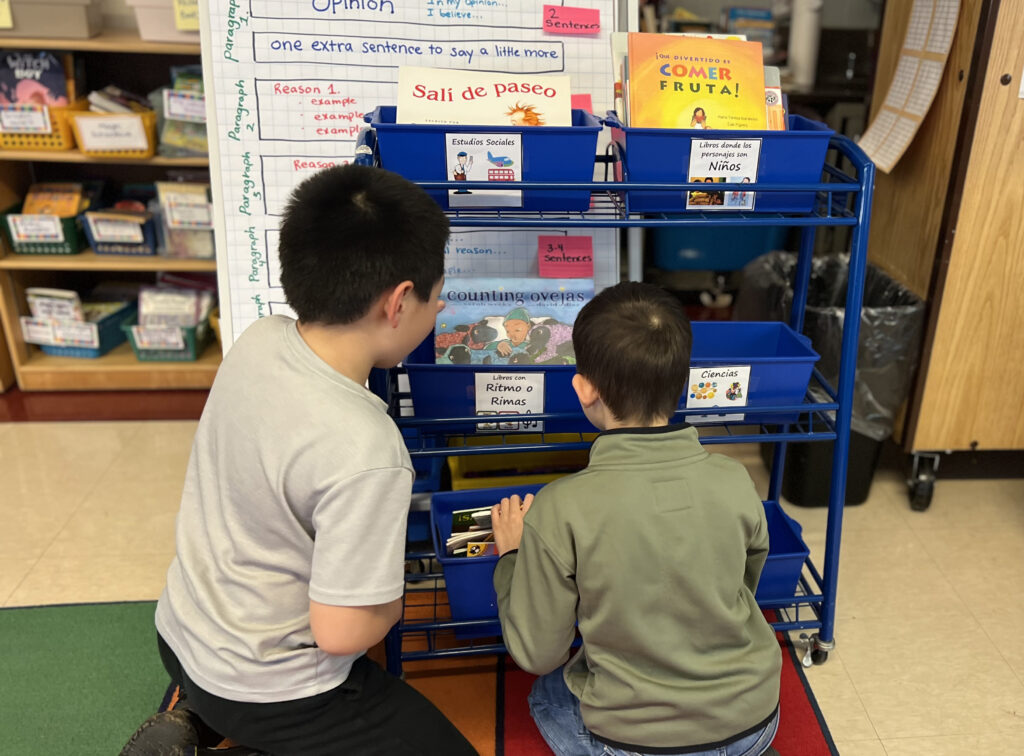
Students learn through children’s literature, music, videos, artwork, and authentic resources from the Spanish-speaking world. These experiences help learners develop language skills while building cultural understanding.
Culture Integrated Throughout Learning
Culture is not taught as a separate topic.
Students explore the products, practices, and perspectives of diverse Spanish-speaking communities throughout the year while making connections to their own experiences.
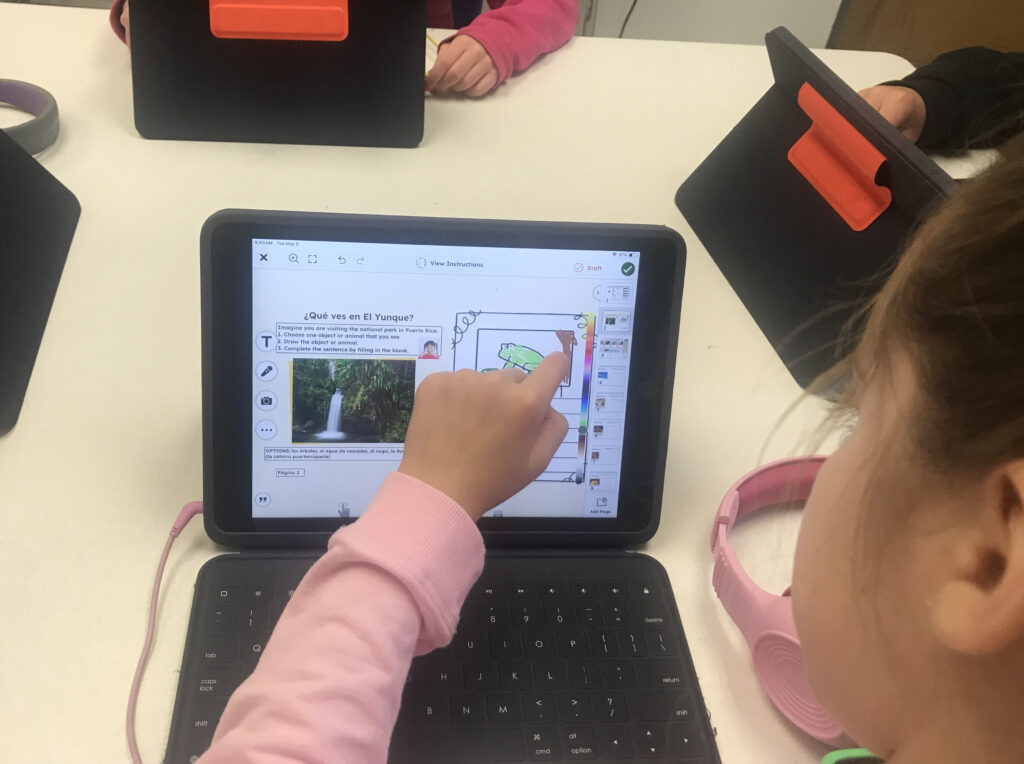
Active Participation and Collaboration
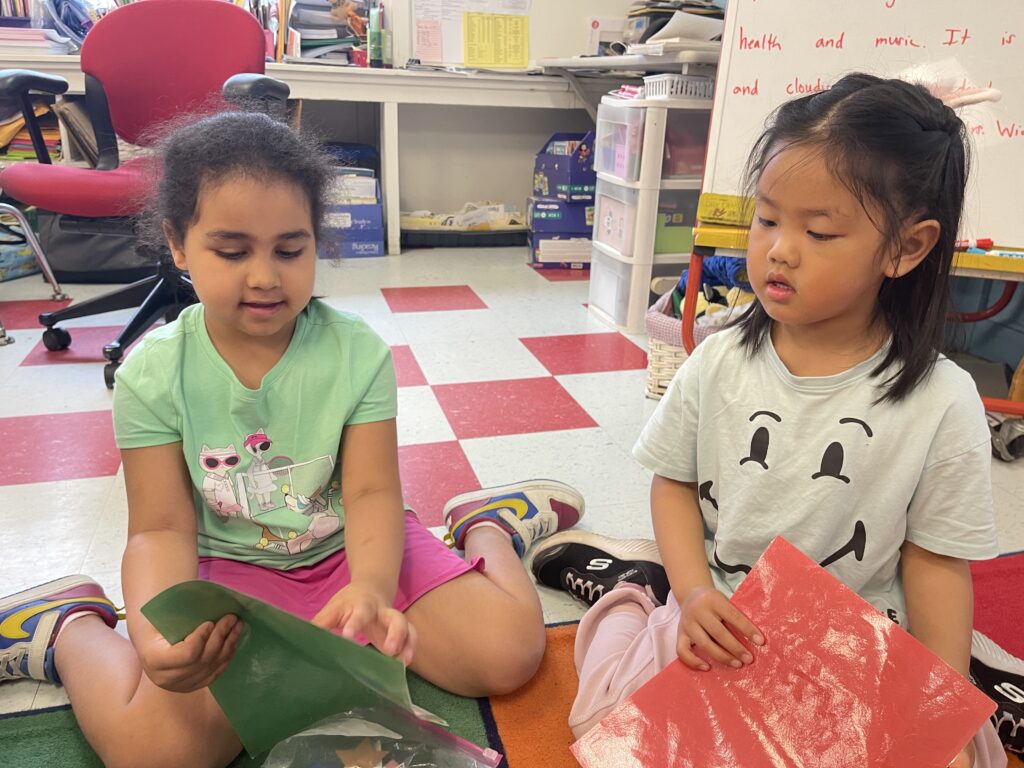
Students regularly engage in partner conversations, cooperative activities, games, and collaborative projects. Language grows when students have opportunities to communicate with others.
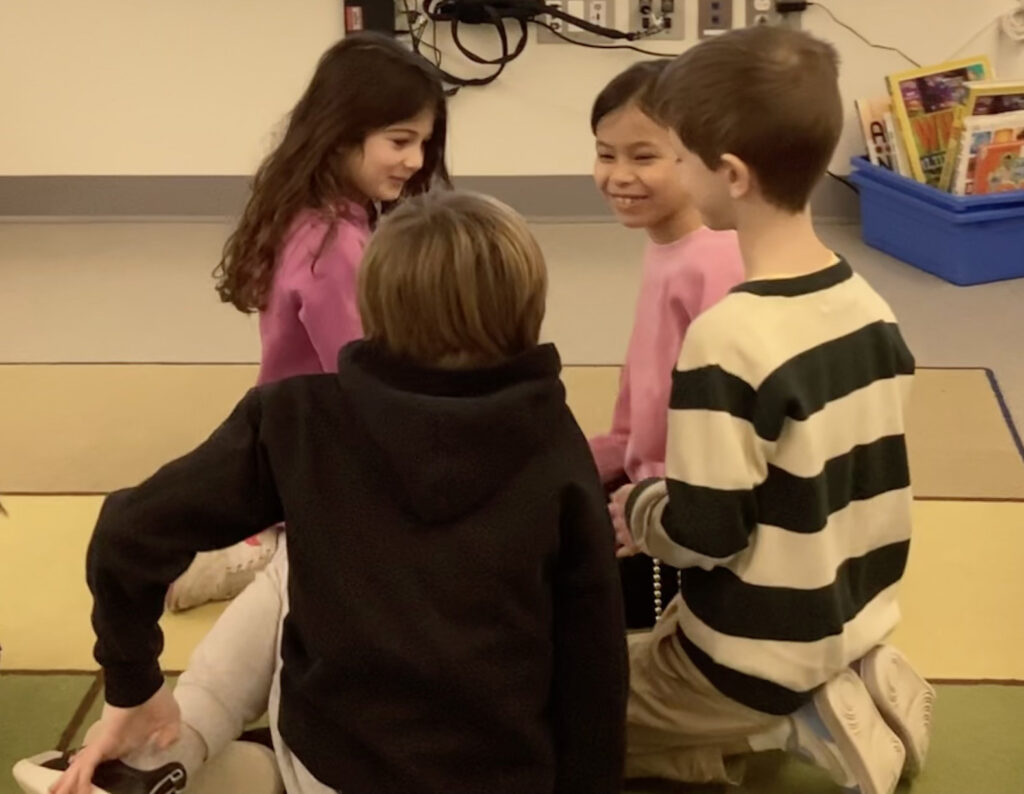
Learning Through Creativity
Students create presentations, posters, stories, artwork, videos, and performances that allow them to express themselves while using Spanish in meaningful ways.
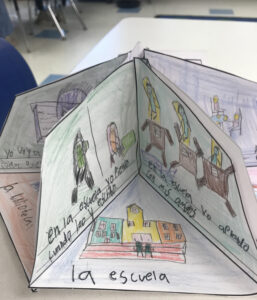
Connections Across the Curriculum
Spanish learning connects to language arts, mathematics, science, social studies, and the arts.
Students use language as a tool for learning about the world around them.
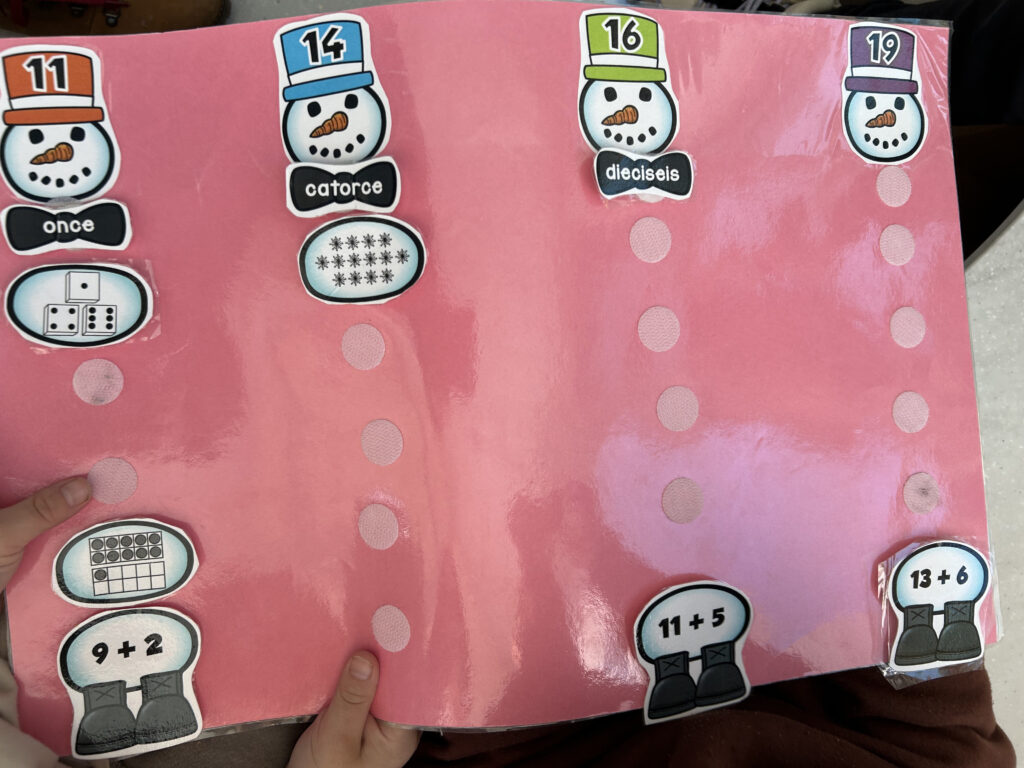
How We Support All Learners
We believe that languages are for ALL!
Our program provides multiple ways for students to access learning, participate successfully, and demonstrate their understanding. Through visuals, movement, collaboration, technology, differentiated instruction, and scaffolded supports, we create learning experiences that help all students grow as language learners.
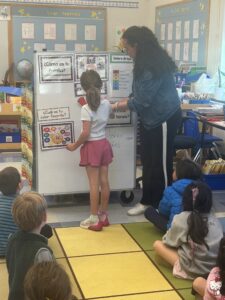
What Language Learning Looks Like Today
Today’s language classrooms look very different from those many adults experienced as students.
Rather than memorizing long vocabulary lists or completing isolated grammar exercises, students actively use Spanish to communicate, collaborate, create, and make sense of the world around them.
In The Past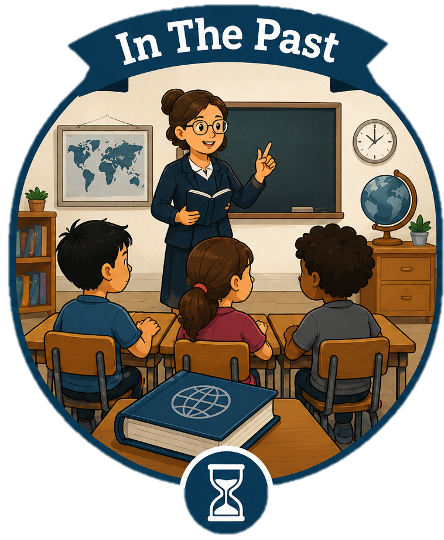 | Today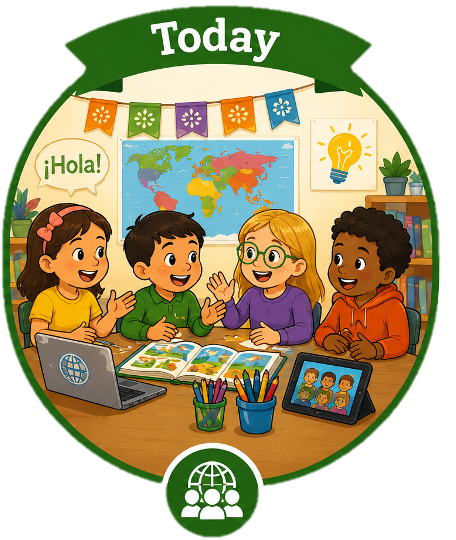 |
|---|---|
| Students learned about the language. | Students learn to use the language. |
| Teachers did most of the talking. | Students actively communicate and create. |
| Grammar was often taught in isolation. | Language is learned through meaningful communication. |
| Textbooks drove instruction. | Thematic units and authentic resources guide learning. |
| Culture was taught through isolated facts. | Students explore products, practices, and perspectives. |
| Learning stayed inside the classroom. | Students connect language learning to the world around them. |
| Assessment focused on mistakes. | Assessment focuses on what students can do with language and their growth. |
In our Spanish classrooms, students communicate, connect, create, collaborate, and better understand themselves and the world around them.