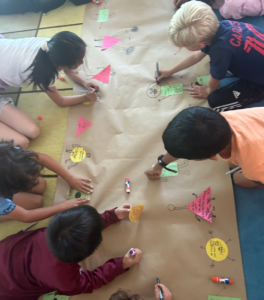
Languages for ALL!
At Wellesley Public Schools, we believe that every child can learn another language.
Language learning is more than acquiring vocabulary and grammar. It is about communication, connection, curiosity, and understanding. Through meaningful interactions and culturally rich experiences, students develop the confidence and skills to communicate in Spanish while gaining a deeper appreciation for the diverse world around them.
Our program is designed to engage, support, and challenge all learners while fostering a lifelong love of languages and cultures.
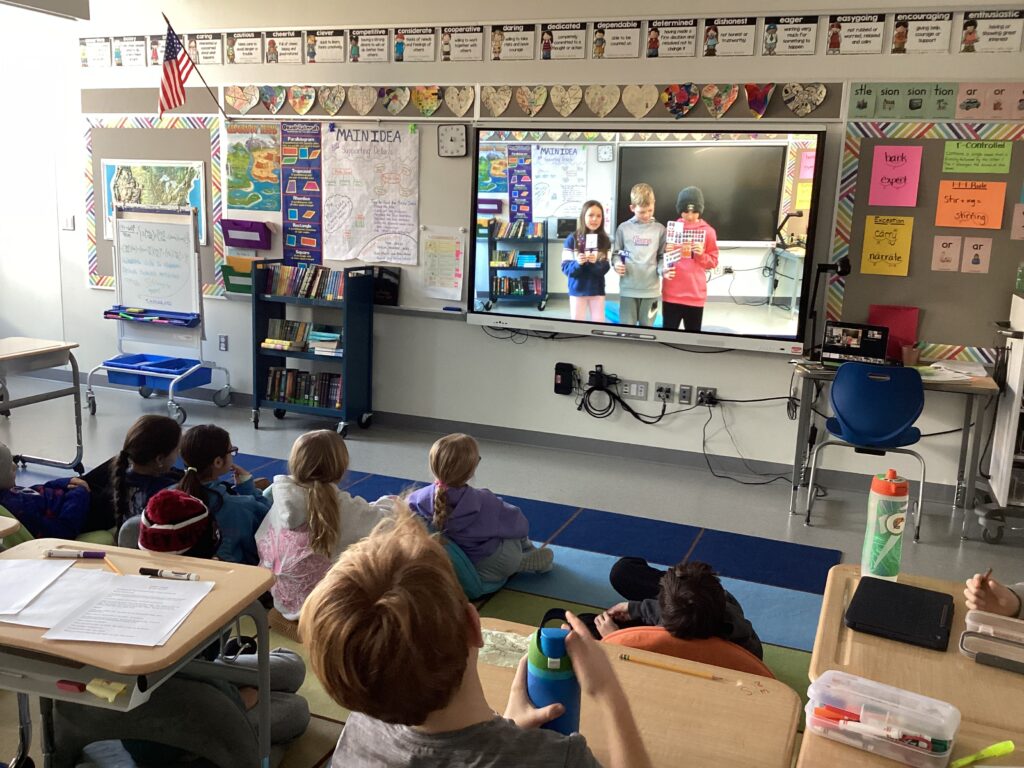
Communication Is Our Goal
Our ultimate goal is not for students to know about Spanish. Our goal is for students to use Spanish!
Students develop proficiency through opportunities to:
- Interpret messages and information
- Exchange ideas with others
- Present information and opinions
- Explore cultures and perspectives
- Make connections across content areas
- Communicate for real-world purposes
As students progress through the program, they become increasingly confident communicators who can understand and express meaning in Spanish.
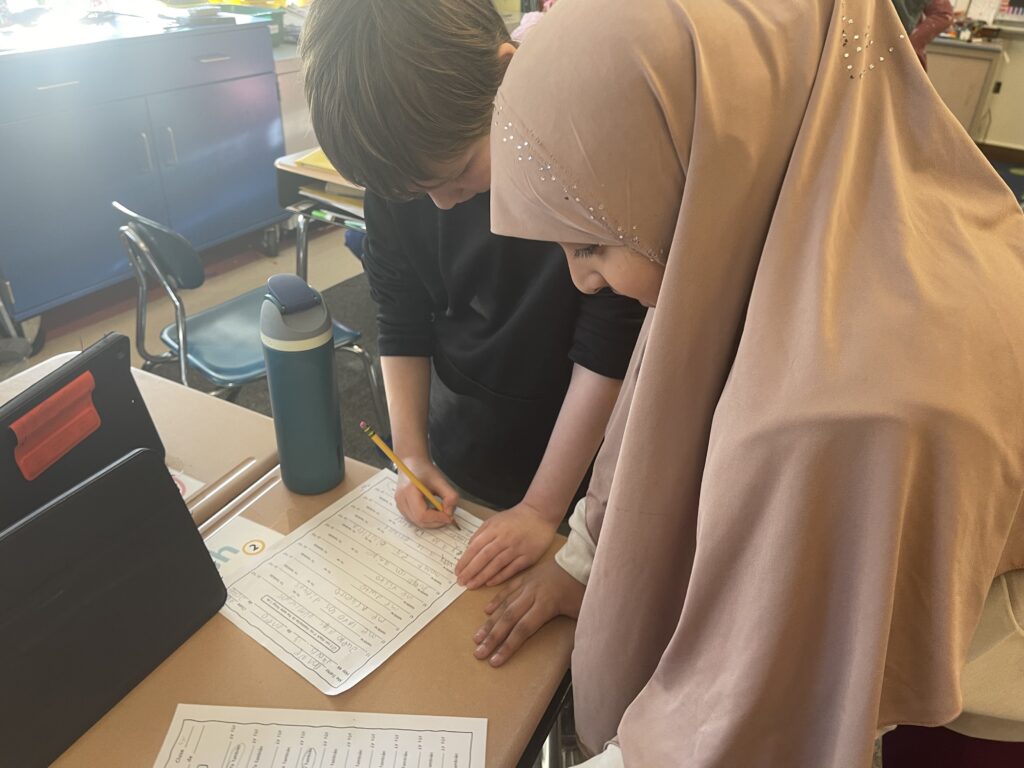
Bilingualism: Facts and Fiction
Research consistently demonstrates the many benefits of learning more than one language.
 |  |
|---|---|
| Bilingualism is common around the world. | Bilingualism is rare. |
| Children can learn multiple languages from an early age. | Children should learn one language before another. |
| Mixing languages is a normal part of bilingual development. | Mixing languages confuses a child. |
| Learning multiple languages does not cause speech delays. | Bilingualism causes speech delays. |
| Children with diverse learning needs can become bilingual. | Only certain children can learn another language. |
| Families do not need to speak Spanish to support learning. | Parents/Caregivers must be fluent for children to learn another language. |
| Bilingualism is about communication, not perfection. | You must speak without an accent to be bilingual. |
Preparing Learners for an Interconnected World
Learning a language opens doors to new ways of thinking, communicating, and understanding the world. Through Spanish, students discover that people may speak different languages, celebrate different traditions, and view the world through different perspectives, yet we are all connected.
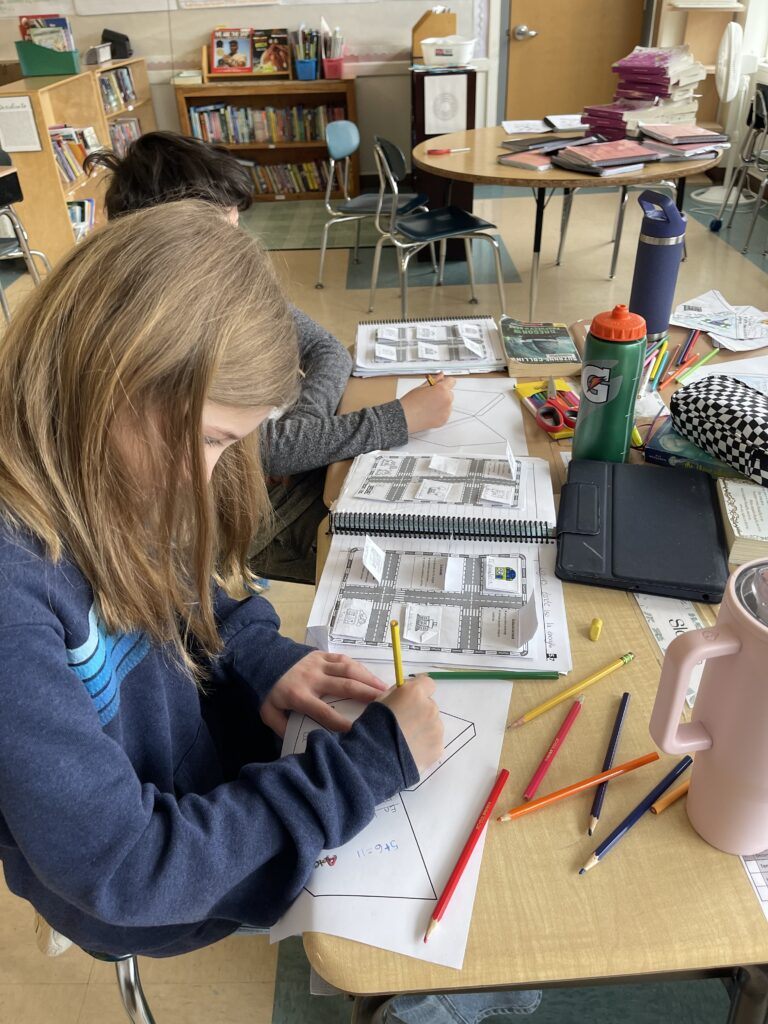
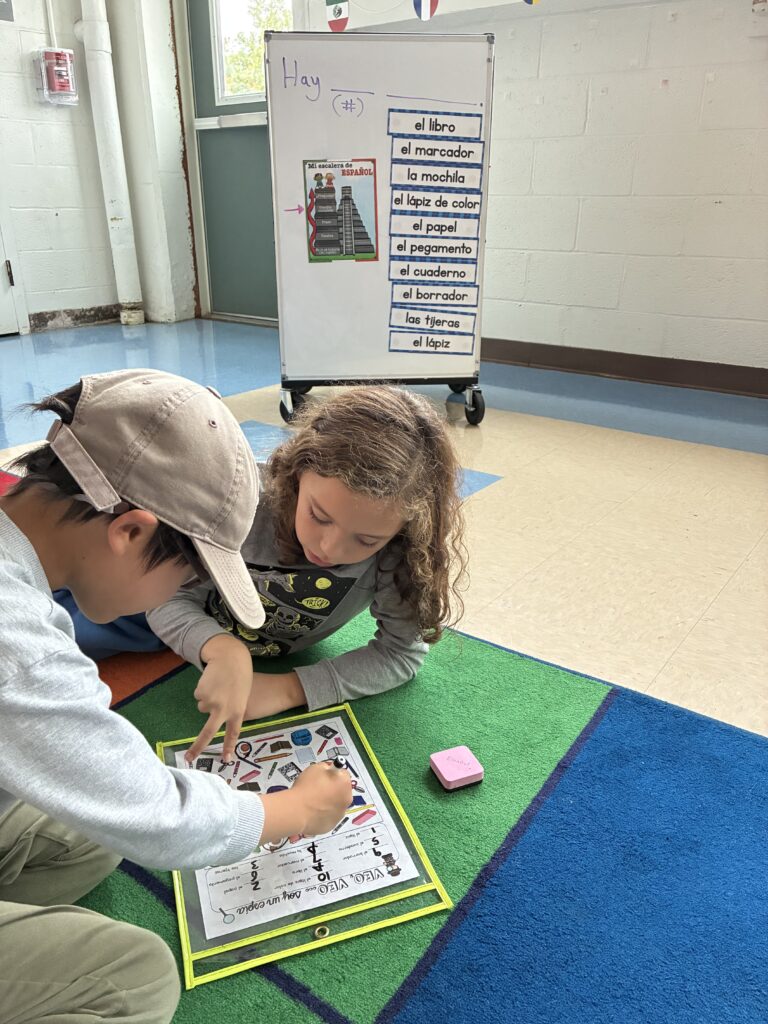
Throughout their elementary Spanish journey, students:
- Use Spanish to communicate ideas, feelings, and information.
- Appreciate and respect diverse cultures, perspectives, and ways of life.
- Develop curiosity about people, places, and experiences beyond their own.
- Build empathy and understanding by making cultural connections and comparisons.
- Collaborate with classmates and engage in meaningful communication.
- Make connections between Spanish and learning across the elementary curriculum, including language arts, mathematics, science, social studies, the arts, and physical education.
- See themselves as members of interconnected local and global communities.
- Recognize the value of multilingualism in an increasingly interconnected world.
By combining language, culture, and meaningful learning experiences, we help students grow into thoughtful communicators, compassionate community members, and engaged global citizens who are prepared to thrive in an increasingly interconnected world.
What Students Gain Through Language Learning

Communication
Students use Spanish to express themselves, ask questions, and communicate with others.

Culture
Students explore the people, traditions, and cultures of the Spanish-speaking world.

Connection
Students make connections between Spanish, their learning, and their everyday experiences.

Communities
Students build relationships, appreciate different perspectives, and recognize their role in local and global communities.